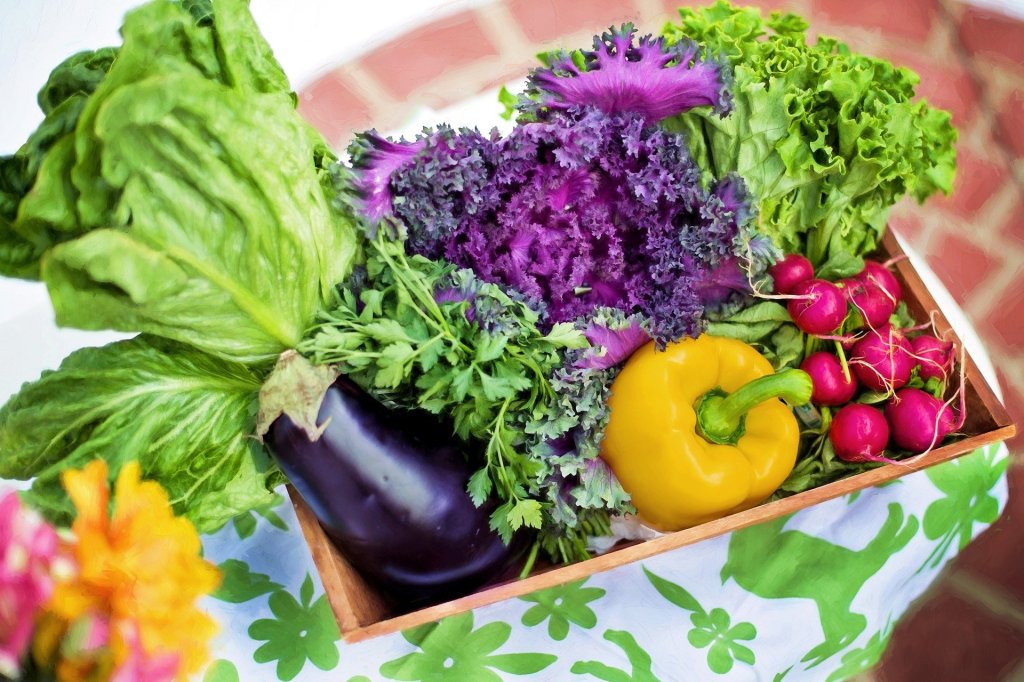
“Where do you get your protein from?” is a question every vegan or vegetarian has probably been asked at some point in time.
It is commonly assumed that to eat healthily as a vegan you need to replicate an omnivorous diet somehow. With meat being seemingly the main distinction between the two, it is then assumed we must replace the meat with a vegan alternative. This thinking is already flawed in that it assumes that an omnivorous diet is the ideal one and should be replicated if not adhered to.
There are multiple reasons why many people are shifting towards plant-based diets which will be explored in a later post.
If you are worried about getting enough protein on a plant based diet – fear not! Getting the required amount of protein (and other nutrients) on a plant-based diet is not just achievable; it is easy and in fact, it is more difficult not to.
We require approximately 0.6g of protein per kilogram of bodyweight. In Britain, the Reference Nutrient Intake (RNI) for protein is set at 0.75g of protein per kilogram per day. The average person easily consumes much more protein than is required. Far from being deficient, the vast majority of us are getting a good supply.
In the UK, both adults and kids are recommended two to three servings of protein a day. A serving of protein can look like this:
3 tablespoons of seeds or nuts
OR
4 tablespoons of beans (150g)
OR
1-2 tablespoons of nut butter (peanut butter, almond butter, tahini…)
- A slice of bread covered in peanut butter provides one portion.
- A can of beans is almost double the portion size for beans and legumes.
- For nuts and seeds, the actual portion size will depend on the size and weight of the food. As a guideline, a handful of nuts counts as one portion.
Generally the worry about protein deficiency in vegans arises because of thinking that tells us meat is the best or only acceptable source of protein. Yet obtaining the required amount – and more – from plant sources is easy.
While protein is overrated it is still a vital nutrient for our health and wellbeing. Protein supports the building and repair of muscles, the immune system and the brain. Protein may also help support weight loss, as a protein-rich diet keeps you satisfied for longer and is hence common dietary practice for many. Eating protein-rich foods may make you feel satisfied for longer because it takes longer for the body to break down and digest these foods.
It is important to make sure you get your protein from varied sources – just as for any other vital nutrient.
Vegan diets rank highest in nutritional quality for the reason that there are multiple sources of nutrients. A plant-based diet is more likely to be a varied and balanced diet full of vegetables and grains and legumes, nuts and seeds, and low in calories and saturated fats. Eating a rich plant-based diet helps in lowering the risk of many chronic illnesses too.
Complementary proteins
One of the concerns some have about vegan protein sources, is that plant-based amino acids are not complete. Proteins are built up of various amino acids, nine of which (the “essential” amino acids) cannot be produced by the body itself and must be obtained from food.
Animal proteins are considered “complete” because they contain all of these vital amino acids. There are many plant based foods which are also sources complete proteins. However, some plant based foods might be high in one amino acid and deficient in another. This type of proteins are called “complementary proteins”. Complementary proteins are deemed so as they complete one another to build a balanced and nutritionally sounds diet. For example, by pairing grains with legumes you will gain all the essential amino acids – grains being high in tryptophan, methionine and cystine, with the legumes being high in lysine.
You do not need to eat multiple sources of vegan protein at every meal. As long as you get protein from varied sources throughout the day, you are fine and get all the necessary amino acids. Combine grains with legumes or nuts and seeds to achieve balance. So for example if you eat grains and cereals at breakfast, you eat some peanuts as a snack and lentils at lunch – you will already have obtained all the essential amino acids you need for the day.
Some might be surprised to discover that vegan protein sources are often also more affordable. Meat and dairy products are expensive, while grains and legumes are cheap and easy to get hold of. Vegan convenience foods, on the other hand, can be pricey and not as readily available. Overall though the cost of the shopping basket is likely to be reduced when plant-based foods are prioritised over animal sources.
Complete proteins
There are also complete vegan proteins which do supply all the essential amino acids on their own. Soy, for example, is a complete vegan protein which does not need to be complemented by other protein sources. Soy also supplies the diet with healthy fats and phytochemicals (plant chemicals which may have a health benefit). Soy can be found in the form of tempeh or tofu, or as soy milk.
Some other complete vegan proteins are quinoa, amaranth, hemp seed, chia seed and spinach.
Plant based foods are generally healthier protein sources overall. They are lower in calories and fat, contain no cholesterol, and provide more fibre and nutrients (eg potassium, iron, magnesium, folate, and vitamins A and C). The reduced acidity from plants causes less inflammation, which may benefit quick recovery from exercise1. Increasing the number of plant based proteins in our diets and reducing animal sources will have long lasting health benefits as well as aiding the planet.
Protein can be found in all foods and it is virtually impossible to be deficient. Let’s look and some high protein vegan foods just for the sake of it!2
- Tofu
- Edamame
- Beans – red kidney beans, black beans, cannellini beans, black eyed beans, butter beans…
- Lentils – red lentils, green lentils, yellow lentils, black lentils…
- Chickpeas
- Nuts – cashew, pistachio, peanut (yes, a spoonful of peanut butter counts!)
- Seeds – linseed, hemp seed, pumpkin seed, chia seed…
- Vegan dairy alternatives
- Grains – buckwheat, quinoa, wild rice…
- Green vegetables: kale, broccoli, pak choi, spinach, green peas…
- Avocado
- Almonds
- Spirulina
- Mycoprotein
- Potatoes
- Mushrooms
- Seitan
These are just some foods which can be considered high-protein plant-based foods. The vital amino acids which are used to build protein, can be derived from many different sources. Hence eating a varied and balanced diet keeps us healthy and happy, and our meals interesting.
If you are interested in how a plant-based diet caters to more extreme needs, watch the Game Changers which looks into meat, protein and strength and explores how vegan athletes eat.
Further reading:
https://serc.berkeley.edu/the-vegan-and-vegetarian-protein-myth-debunked/
 Raw Rebellion
When people ask me how I get protein as a vegan, I always consider whether I should tell them the truth. I’m worried that, while eating six to eight slices of toast covered with a 50mm layer of peanut butter would likely be accepted as an efficient way of getting protein, they might think it weird to have that for lunch every single day.
LikeLiked by 2 people
Hi there really enjoyed your post on Vegan protein would love to share this to my blog space and Facebook pages. I think some of my followers would be interested in reading this too! So true though good luck 🤞 🍀
LikeLiked by 1 person
Thank you for sharing and commenting! 🙂
LikeLiked by 1 person