We tend to assume that the products we choose to hydrate our face with will always be beneficial. However, it is worth paying close attention to the products we apply on our skin and the ingredients in them, as some of these might be causing the same issues we are hoping to cure.
If your skin is suffering from redness or sensitivity, it is particularly important to use the right products to ensure the skin is getting the best maintenance it can. Sensitive skin is common and it must be treated right.
One of the first indicators that something is wrong with your skincare routine is if you experience tingling or stinging when using products.
There seems to be an assumption that the stinging means you can “feel” the product is working. This is not the case at all.
Face cream is not supposed to sting. This might come as a surprise to some. Maybe because of workout slogans like “no pain, no gain” we have come to think that there must be some suffering to get results.
Your facial skin is delicate and relatively thin. You want to treat it well and with care. Any discomfort such as pain or tingling on your skin means something is wrong. Actually, the same goes for elsewhere in your body. Pain is a natural response that’s telling you, hey, something is not right.
The same goes for other skincare products. Facial scrubs, cleansers, toners are not meant to sting either. (Don’t put them in your eyes though – anything will sting if it gets in your eye!)
If your skincare products make your skin tingle, it probably means you have sensitive skin, and the products you are using are not working for you.
Let’s look at the two most common reasons why your face cream might make your face tingle.
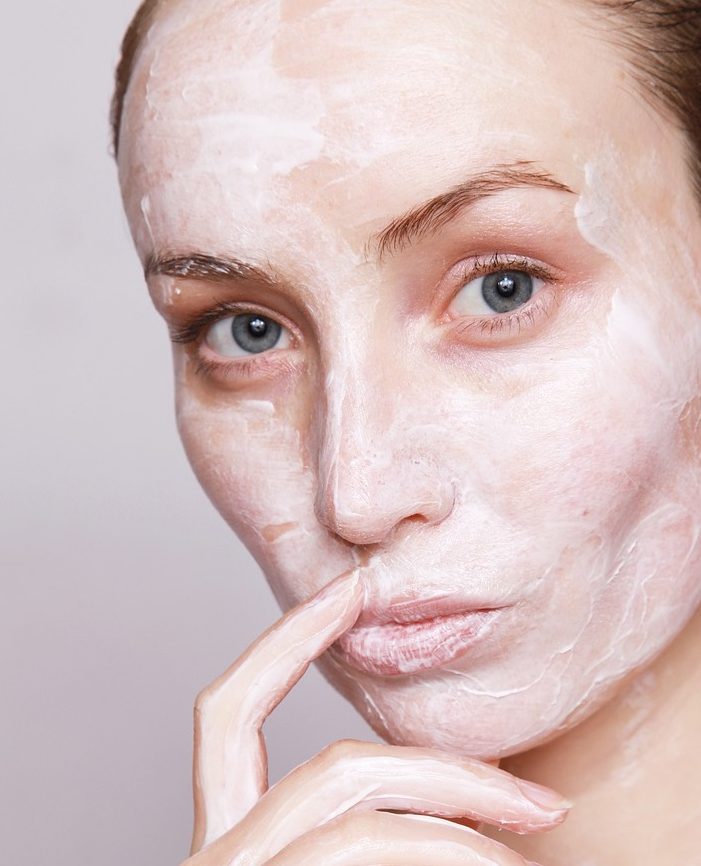
Your skin is damaged
Ever applied lotion after sunburn? Yeah, that stings. The same happens when your skin is excessively dry or if it has cuts on it. The product goes into the damaged skin and you feel a burning sensation in the damaged area.
The skin barrier is the outermost layer of the skin. The top part of the epidermis, it protects the skin from external factors. A healthy skin barrier is able to defend against irritants and maintains the balance of natural oils and moisture. An unhealthy skin barrier, on the other hand, will have a weakened ability to defend against external stressors. Instead, the skin will lose moisture easily and irritants will be able to affect the deeper layers of the skin, causing inflammation.
Healthy skin will look clear and radiant, and is less prone to sensitivity and inflammation.
Damaged skin will start to look dull and shows signs of ageing faster. Unhealthy skin is more prone to inflammation. The skin will suffer from dryness and irritability.
The skin barrier can weaken with age or because of damage. Conditions like eczema also affect the health of the skin barrier. UV radiation, pollution, smoking, physical damage like over-exfoliating – can all affect the health of the skin barrier. So can life stressors, like lack of sleep, and stress.
When the outer layer of the skin is damaged, irritant bacteria, viruses, chemicals, and allergens can enter the deeper layers of the skin. This triggers inflammation, redness, and causes those tingling and burning sensations.
Using the wrong products can damage the skin further, as harsh chemicals strip away the natural lipids in the skin which can damage the skin barrier, making it increasingly sensitive.
This brings us to the second reason your moisturiser makes your skin tingle.
The chemicals in the products
Do you check the labels of your products and read the ingredients?
There might be products there that you are sensitive to. If your skin is allergic, it might respond with a reaction such as a rash. Sometimes this causes us to apply more product as we think our skin is so dry and damaged, it will need more protection. When in fact, it was the product that was the culprit.
While chemical products are likely to contain more irritants, they are not the only ones to blame. Natural products can cause inflammation too. There might be an ingredient you are sensitive to. It is worth checking out the label to see if you might identify any common triggers. Try to switch products and see if it gets any better.
Remember this: your moisturiser is not supposed to sting. Skincare should not burn. If you are finding that your face gets reddened or irritated on a regular basis, switch products.
Use gentle skincare products
To keep your skin supple and healthy, it is important to protect it from the beginning and prevent it from developing sensitivities. If you treat your skin with care, it will keep looking clear and smooth. Protect your skin from irritation by using natural products tailored for sensitive skin.
Everyone can benefit from using gentle skincare products. Without harsh chemicals, they keep the skin healthy and lessen the impact of damage and external stressors on the skin. Gently hydrate and nourish the skin and do not strip away the natural moisture with chemicals.
For a new gentle skincare routine, try the Neal’s Yard sensitive skincare line. The Sensitive Skincare collection is certified organic and dermatologically tested. Soothe, calm and hydrate your skin with natural products – now at a lower price!
Explore the range of natural sensitive skincare products here.
The Neal’s Yard Certified Organic Sensitive Skincare Collection is alcohol-free and fragrance-free for happy, healthy skin.
Follow the 3-step plan when looking after your sensitive skin. Choose the best products for you from the Neal’s Yard Sensitive Skincare range.
Step 1 Cleanse
Choose from the Sensitive Soothing Cleansing Milk or the Micellar Cleanser to gently cleanse your skin of impurities and keep it hydrated and calm.
Step 2 Treat
The Restore + Soothe Serum offers targeted relief for irritable skin.
Step 3 Moisturise
The Sensitive Soothing Moisturiser gives sensitive skin the nourishment it needs to stay hydrated and supple and offers relief from irritation. Replenish + Balance moisturiser provides a more intense treatment to maintain healthy, soft skin free from discomfort.
 Raw Rebellion