Switching to a vegan diet can be daunting. Whether you are going plant-based completely or just trying out a few new dishes, it can be difficult to plan balanced, varied and interesting meals.
One of the most common assumptions when approaching vegan cooking is that you would have to replace meat and other animal products directly. Often this is due to the assumption that vegan diets are low in protein and iron and must replicate the omnivorous diet to be able to provide all the essential nutrients.
There are a number of meat and dairy alternatives out there which can both help people transition to a more plant-based diet, and can also serve to reinforce this idea that meat must be replicated.
A vegan diet can actually be very rich and varied in itself without the need for meat “alternatives”. Click here to read more about vegan protein.
Start slow
If you are just starting out with plant-based eating, you do not need to try and jump right into being 100% vegan from day 1 (unless you want to, of course! :)). You can start transitioning your diet slowly by incorporating more plant based foods into your meals.
As a first step I would advise you to look for some vegan recipes to try out. Find something that looks tasty to you. Try out a few simple recipes, see what works for you.
Get some ideas, so you don’t feel stuck.
Remember – eating vegan is not that different!
Making a vegan meal is not something completely foreign to you. You already have a lot of experience with foods that are vegan. You already eat a lot of things that are vegan.
You probably eat many things already that are staples in a vegan diet.
Transitioning to a plant based diet is very much down to changing mindset.
Focus on one meal at a time
Instead of thinking necessarily about how to replace meat, concentrate on the meal you are making. How can you make this specific meal tasty and wholesome?
Initially it might be difficult to invent recipes just like that. And to change the mindset which is originally focused around meat and what goes with it.
It will take time, but you will learn to look at your eating holistically. When grocery shopping you might start to see vegetables not just as side dishes but as the main ingredients for a delicious meal. Vegetable stew, anyone?
Know your basics
Transitioning to a plant based diet does not need to involve any study, it is not something you need to worry about learning. But as for any diet, it is good to know what nutrients you get from what ingredients. When you have a basic understanding about nutrition, you can feel reassured about eating a wholesome diet.
Checking out different recipes for inspiration also helps with this aspect. When you get ideas for what kinds of things you could eat, you find more options and don’t end up eating the same things over and over again.
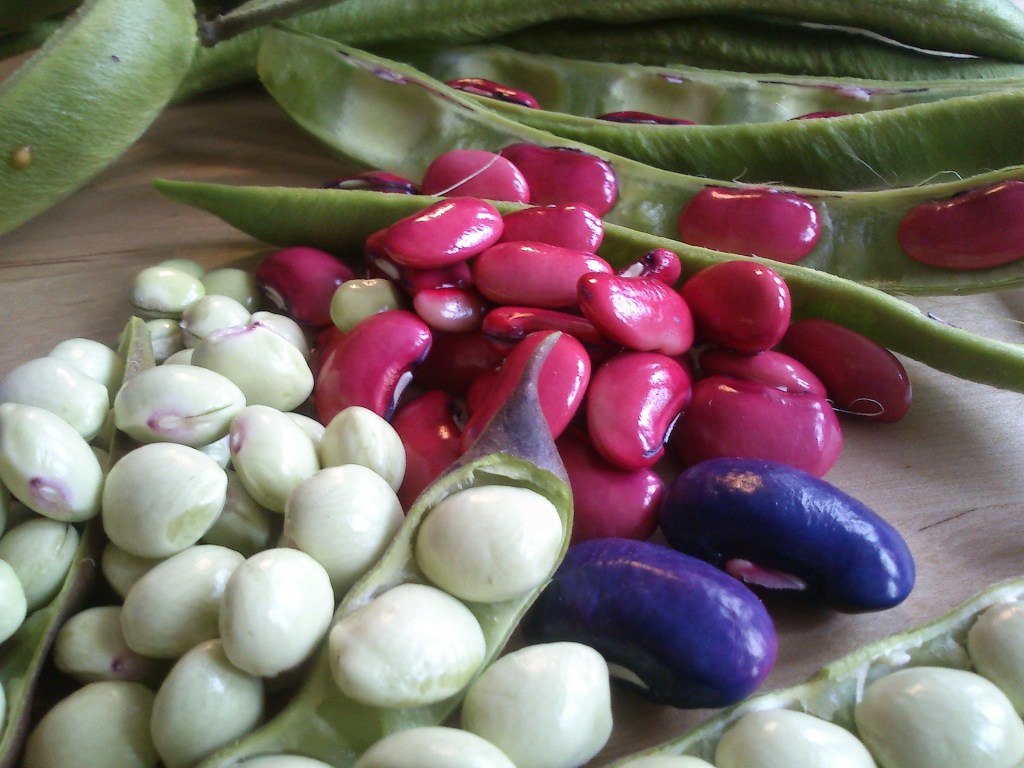
For example, consider all the different protein sources. Some excellent plant based sources of protein are nuts, beans, lentils, but not only these. Also green leaves, potatoes, mushrooms can supply proteins in the diet. Varying your meals helps with nutrient intake and keeps the diet interesting too.
Remember why you are doing this
An omnivorous diet is not the healthiest in itself which is why many people are transitioning to more plant based eating.
Your own motivation might be due to ethical reasons, environmental impact, health reasons, a mix of the above, or something else.
Keep in mind the reasons you are trying to eat more plant based foods and that will help you continue this journey and stay motivated.
Don’t limit yourself
While the focus of plant based eating is not on replicating meat and dairy products, there are plenty of alternatives out there which can help supplement your meals.
Surely there are some dishes where “replacing the meat” can come to mind – such as a breakfast of bacon and eggs. This is where vegan meat alternatives do come in handy.
Vegan meat alternatives can be expensive but every now and then it can be nice to go for an easy, ready made option rather than making everything from scratch.
Once you have tried out some vegan recipes you might have a better idea of what you like and don’t like. Then you can start to experiment. Maybe you enjoy a bolognese sauce with your pasta and would like to try a vegan alternative. You might try a vegan protein such as vegan mince. Or perhaps you can add lentils instead?
For breakfast, you might like to try scrambled tofu instead of scrambled eggs!
Many vegans like to make their own foods, desserts etc but there are also a lot of ready meals available, meaning that you have multiple ways of getting into plant based eating.
Don’t worry about it
We’ve said it before, and it is worth repeating. Transitioning to a vegan diet does not need to be difficult. You do not need to study about vegan protein or iron or whether you will be getting enough fats. If you are keen on becoming more knowledgeable about nutritional info, go ahead, make yourself an expert.
Most importantly, enjoy your food.
You are probably here because for one reason or another you would like to eat more plant based foods. I want to encourage you to try that out. Hope you will reap the benefits.
I wish you all success.
 Raw Rebellion
I went vegan about 4 years ago and I wish when I started out I read more posts like this! Absolutely a great read for beginner vegans
LikeLiked by 1 person
Thank you for your message! Hope it will be useful to others starting out 🙂
LikeLiked by 1 person